🏗️ Civil Engineering, Construction & Infrastructure
Roads, drains, bridges and buildings shape daily life for generations. This department explains how construction projects are planned, measured, checked and kept safe — so money is not wasted, work lasts, and nobody gets hurt on site.
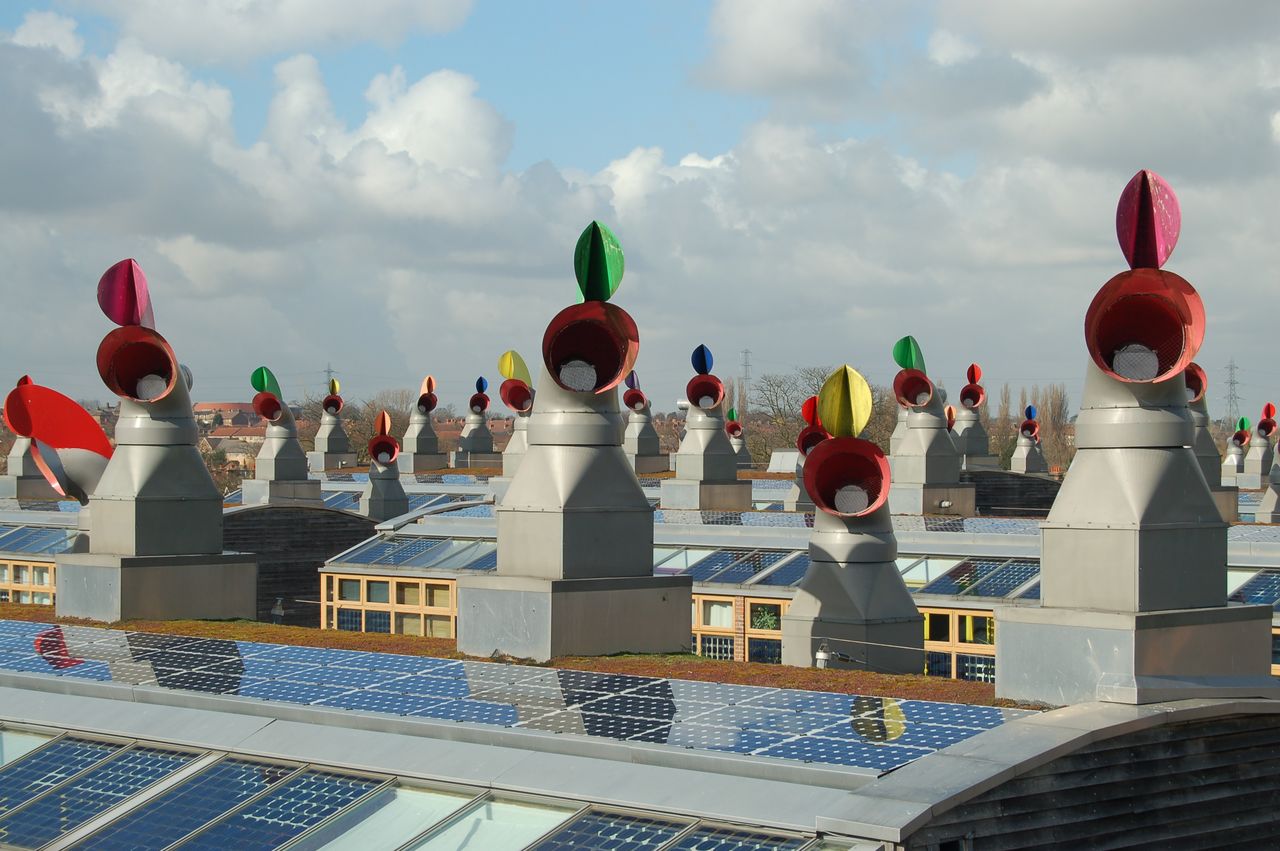
Wind cowls and solar roofs at BedZED, a sustainable housing development in London. Photo: Tom Chance from Peckham · CC BY-SA · source
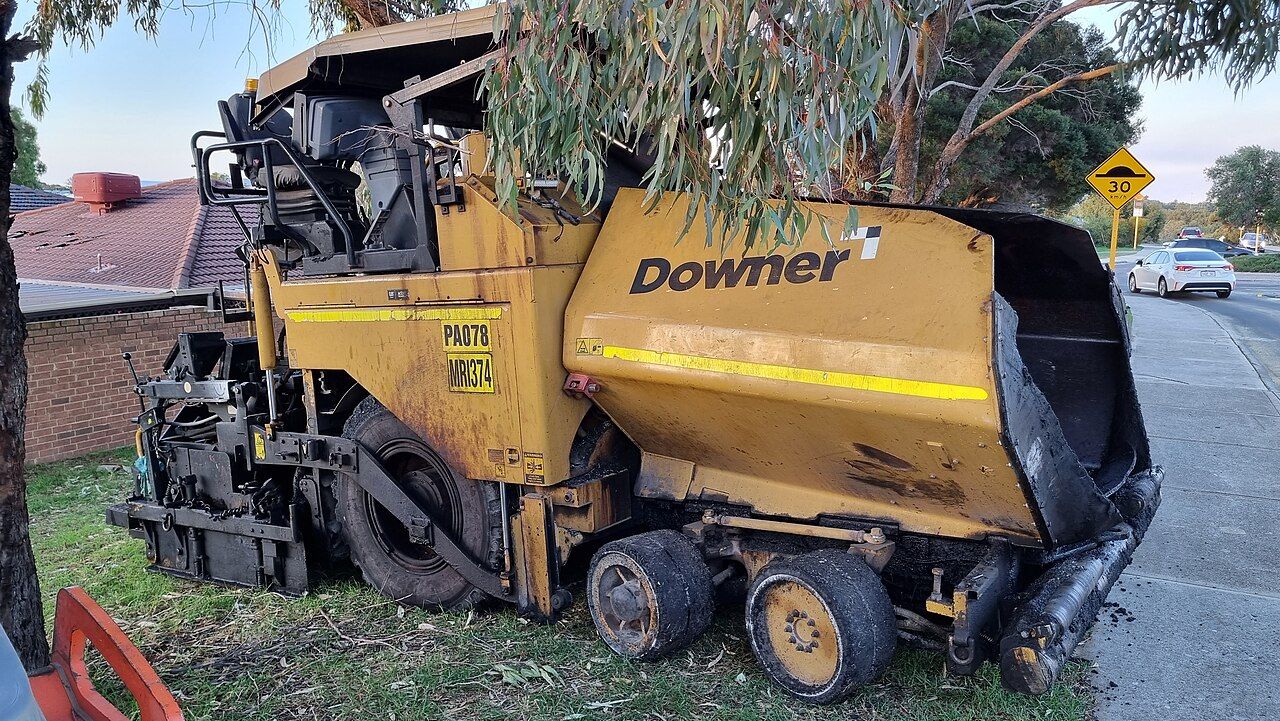
An asphalt paver laying a new road surface. Photo: Sam Wilson (taken with Samsung Galaxy S21 FE 5G) · CC BY-SA 4.0 · source
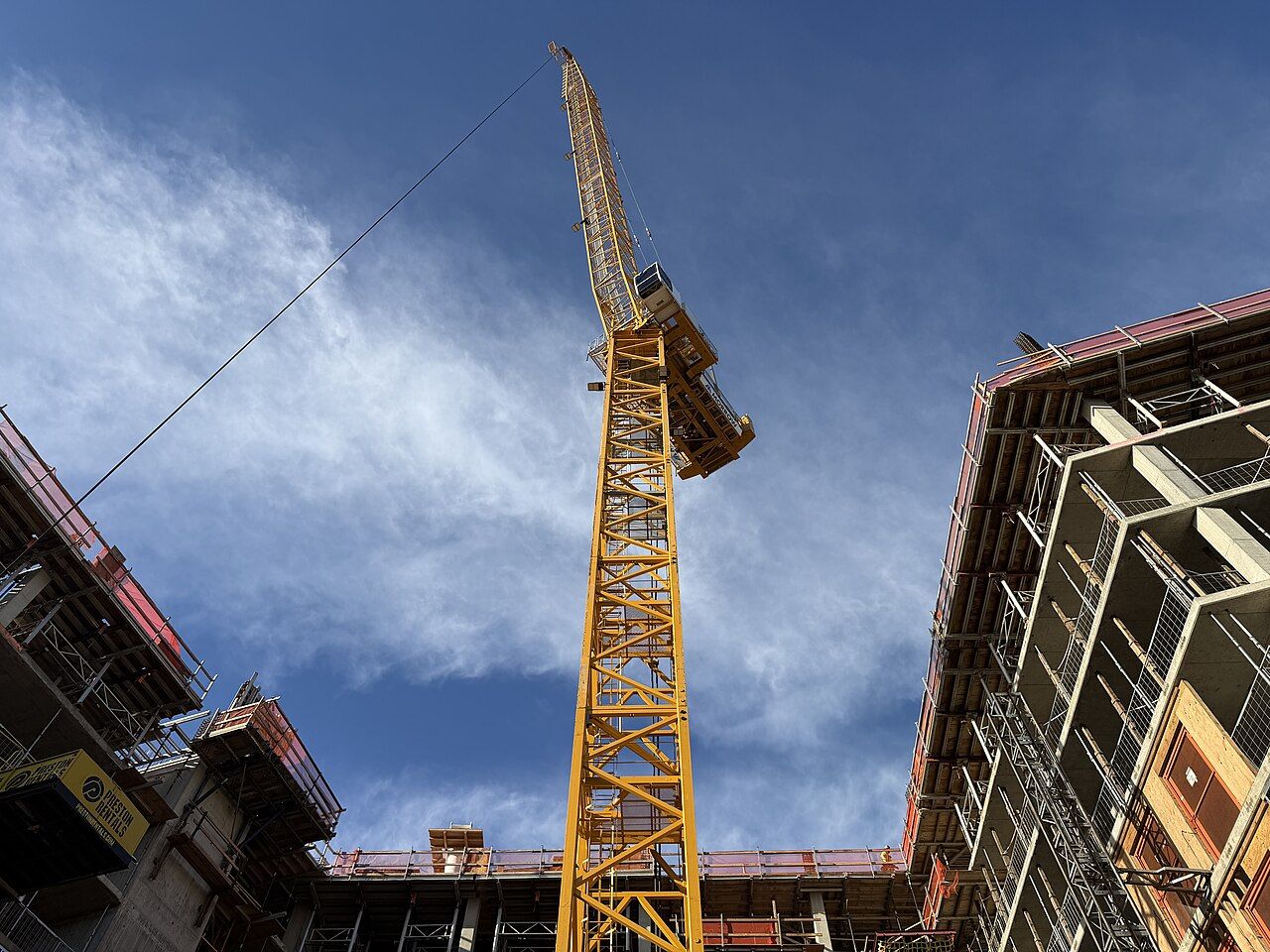
A tower crane above a building under construction. Photo: PortlandAppraisalBlog · CC BY-SA 4.0 · source
Five guided solutions
Each solution follows the Global Solutions pattern: the problem, how it works, the steps, the outcome you can expect — and the boundary where a licensed professional must take over.
Solution 1 of 5
Plan a building project in the right order
The problem. Projects that start with enthusiasm and no sequence end with materials bought twice, trades waiting on each other, and money finished before the roof.
How it works. Construction follows a natural order: set out, excavate, found, build up, roof, install services, finish, inspect. A simple written programme — who does what, in which week, with which materials — turns that order into a plan the whole team can follow.
Practical steps
Break the project into stages with a clear finish point for each.
List the materials and workers each stage needs, and when they must arrive.
Put the stages on a simple chart with start and finish dates.
Hold a short weekly check: what finished, what is next, what is blocking.
Record changes and their cost effect the day they are agreed, not later.
Expected outcome. A project that moves steadily, with surprises priced and scheduled instead of chaotic.
⚠ Professional boundary. This is project organisation, not engineering design. Structural work must follow approved drawings and inspections.
Solution 2 of 5
Estimate concrete and blocks before you buy
The problem. Guessing quantities leads to the two classic losses: running short mid-pour, or paying for piles of material that weather and vanish.
How it works. Quantities come from simple geometry: volume = length × width × thickness for concrete; wall area divided by the face area of one block (with mortar) for blocks. Adding a stated waste allowance — and writing down every assumption — makes an estimate honest and checkable. Try the Calculator Centre below.
Practical steps
Measure the actual work: slab, beam or wall dimensions from the drawings.
Compute volumes and areas with the formulas in the Calculator Centre.
Add a waste allowance (commonly 5–10%) and state it openly.
Price the estimate with quotations from at least two suppliers.
Order in stages matched to the programme, so materials are not stored to spoil.
Expected outcome. A bill of quantities you can defend, compare and buy against.
⚠ Professional boundary. Estimates are not structural design. Mix design, reinforcement and foundations must be specified by a qualified engineer.
Solution 3 of 5
Protect roads and buildings with drainage
The problem. More buildings are damaged by unmanaged water than by almost any other cause: eroded foundations, cracked walls, flooded rooms and roads that dissolve each rainy season.
How it works. Water follows slope whether we plan for it or not. Drainage design simply gives it a safe path: fall the ground away from walls, line channels where flow is strong, and discharge where it can do no harm.
Practical steps
Walk the site during or just after heavy rain and mark where water flows and pools.
Grade ground to fall away from buildings on every side.
Provide channels or culverts where paths cross the flow.
Protect channel beds and outlets against erosion with stone or concrete where needed.
Clear drains before each rainy season — a blocked drain is no drain.
Expected outcome. Drier buildings, longer-lasting roads and fewer emergency repairs after storms.
⚠ Professional boundary. Public drains and watercourses are regulated; connect or discharge only as local authorities permit.
Solution 4 of 5
Check quality at every stage
The problem. Defects buried in concrete or hidden behind plaster announce themselves years later as cracks and failures — when repair costs ten times more.
How it works. Quality control is mostly disciplined looking: check materials when they arrive, check work before it is covered, and keep simple records. A delivery rejected at the gate costs nothing; the same defect found later costs a wall.
Practical steps
Inspect every delivery: block strength and curing, cement freshness, aggregate cleanliness.
Verify setting-out, levels and reinforcement against the drawings before any pour.
Take and cure test cubes where the engineer requires them.
Photograph work before it is covered, with the date recorded.
Keep a site diary: weather, workers, deliveries, inspections, instructions.
Expected outcome. Work you can prove is sound — and defects caught while they are still cheap to fix.
⚠ Professional boundary. Testing and acceptance criteria for structural work belong to the supervising engineer; do not self-certify.
Solution 5 of 5
Site safety that prevents accidents
The problem. Construction injuries cluster around a few causes: falls, collapsing excavations, falling objects and electrocution — all preventable with basic discipline.
How it works. Safety is a system, not a poster: plan the work so people are not under loads or over edges, shore deep trenches, keep orderly walkways, and make protective equipment normal rather than optional.
Practical steps
Brief every worker on the day's risks before work starts.
Provide and enforce helmets, boots and gloves appropriate to the task.
Shore or slope excavations deeper than a person's waist; never enter an unsupported trench.
Keep materials stacked stably and walkways clear of offcuts and cable.
Record every incident and near-miss, and change the method that allowed it.
Expected outcome. A site where people go home whole — and where insurers, clients and authorities see professionalism.
⚠ Professional boundary. Scaffolding, cranes and electrical work carry legal requirements in most jurisdictions; use certified people and equipment.